A simple 40-minute routine shown in clinical trials to improve blood sugar and cholesterol in people with Type 2 diabetes.
For many people living with Type 2 diabetes, exercise can feel like a barrier rather than a solution—especially when it involves high intensity, long gym sessions, or joint strain.
But new research suggests something surprising: a slow, gentle mind-body practice called Baduanjin Qigong may significantly improve blood sugar and cholesterol levels—and it doesn’t require any equipment or prior fitness.
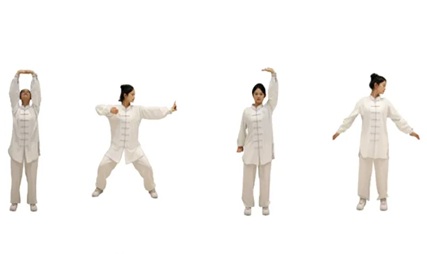
Image source: Frontiers in Endocrinology
| Baduanjin Qigong for Diabetes: Quick Answer |
|---|
| Baduanjin Qigong may help improve blood sugar and cholesterol levels in people with Type 2 diabetes. Research suggests the most effective routine is: > 40–45 minutes per session > about 3 times per week > practiced for at least 24 weeks This gentle, low-impact exercise may improve insulin sensitivity and overall metabolic health. |
What You’ll Learn in This Article
- How Baduanjin Qigong helps improve blood sugar and cholesterol
- The exact routine researchers found most effective
- How long it takes to see results
- Why gentle exercise may outperform intense workouts for some people
- A simple beginner routine you can start today
What Is Baduanjin Qigong?
Baduanjin Qigong, or “Eight Pieces of Brocade,” is a traditional Chinese exercise made up of eight slow, flowing movements combined with breathing and mental focus.
It’s often described as a form of moving meditation, blending:
- gentle physical movement
- relaxed breathing
- calm mental attention
Unlike many exercise programs, Baduanjin is:
- low impact
- easy to learn
- suitable for small spaces
- accessible for beginners and older adults
What the Research Says About Baduanjin for Type 2 Diabetes
A large scientific analysis reviewed 48 clinical trials involving 3,699 people with Type 2 diabetes.
The results showed that regular Baduanjin practice led to measurable improvements in:
- Fasting blood glucose
- HbA1c (long-term blood sugar control)
- triglycerides
- total cholesterol
These are some of the most important markers for both diabetes management and heart health.
A Surprising Insight from the Research
One unexpected finding:
Practicing Baduanjin three times per week may be more effective than doing it every day for some metabolic markers.
This suggests that consistency—not intensity—is the key driver of results.
How Baduanjin Benefits People with Diabetes
Lower Fasting Blood Glucose
Participants who practiced Baduanjin experienced reductions in fasting blood sugar, indicating better daily glucose regulation.
Improved HbA1c
HbA1c reflects average blood sugar over 2–3 months. Improvements here suggest long-term metabolic benefits, not just short-term effects.
Cholesterol and Heart Health
Baduanjin doesn’t just affect blood sugar. Participants also showed improvements in:
- lower triglycerides
- lower total cholesterol
This is important because people with diabetes often face increased cardiovascular risk.
The Optimal Baduanjin Routine
If you want to follow what worked in clinical studies, here’s the most effective pattern:
Evidence-Based Routine
- 40–45 minutes per session
- 3 times per week
- 150–210 minutes per week total
- continue for at least 6–12 months
This routine consistently produced the best improvements in metabolic health.
More exercise is not always better.
Researchers suggest that practicing three times weekly works because it:
- improves long-term adherence
- prevents burnout
- allows recovery between sessions
- fits more easily into daily life
This makes it a sustainable habit—not just a short-term intervention.
How Baduanjin Works in the Body
Improves Insulin Sensitivity
Gentle muscle activity helps your body use glucose more efficiently.
Reduces Stress
Stress hormones can raise blood sugar. Mind-body practices help regulate this response.
Supports Circulation and Metabolism
Slow, continuous movement enhances blood flow and metabolic activity without overloading the body.
Encourages Consistency
Because it feels manageable and calming, people are more likely to stick with it long-term.
How to Start Baduanjin
You don’t need to jump straight into a 45-minute session.
Simple Beginner Plan
3 times per week
- 5 minutes — warm-up
- 30 minutes — Baduanjin movements
- 5 minutes — breathing and cool-down
Focus on:
- slow, relaxed movement
- natural breathing
- staying consistent
Over time, increase toward the 40–45 minute range used in research.
When Will You See Results?
Baduanjin is not a quick fix.
Most improvements happen over time because:
- HbA1c reflects 2–3 months of blood sugar
- metabolic changes take time to develop
The strongest results were seen after:
24–48 weeks (6–12 months)
Think of this as a long-term health practice, not a short-term program.
The Bottom Line
Baduanjin Qigong offers a simple, evidence-based approach to improving metabolic health.
What works best:
- 40–45 minutes
- 3 times per week
- sustained for at least 6 months
For people with Type 2 diabetes, this gentle practice may help improve:
- blood sugar control
- cholesterol levels
- overall well-being
And perhaps most importantly, it provides something many exercise programs don’t:
a sustainable way to care for both body and mind.
Frequently Asked Questions
Can Baduanjin lower blood sugar?
Yes. Research shows improvements in fasting glucose and HbA1c with regular practice.
How often should I practice Baduanjin?
About 3 times per week appears to be effective and sustainable.
How long should each session be?
Around 40–45 minutes based on clinical studies.
Is Baduanjin safe for beginners?
Yes. It is low-impact and widely considered safe for beginners and older adults.
How long does it take to see results?
Most measurable improvements occur after 2–3 months, with stronger results over 6–12 months.
Want a Structured Way to Get Started?
If you’re interested in taking a step-by-step, beginner-friendly class in Baduanjin:
