Can Tai Chi help with menstrual pain and emotional symptoms?
A new randomized controlled trial, reported by the journal Physiotherapy research international in April 2026, offers a nuanced answer—one that Tai Chi teachers and health-conscious readers should understand clearly.
Rather than presenting Tai Chi as a cure-all, this study helps define where Tai Chi is most effective for women with primary dysmenorrhea—and where other approaches may work better.
What Is Primary Dysmenorrhea?
Primary dysmenorrhea refers to menstrual pain without an underlying medical condition. It often includes:
- Cramping pain
- Fatigue
- Emotional symptoms like stress and anxiety
While medications are commonly used, many women seek natural, non-pharmacological approaches—including Tai Chi.
Study Overview: Tai Chi vs Strength Training for Menstrual Symptoms
This randomized controlled trial examined:
- 90 women (ages 18–25) with primary dysmenorrhea
- Three groups:
- Tai Chi
- Strengthening exercises
- Control (no structured intervention)
- Duration: 4 weeks, 5 sessions per week
Outcomes Measured
- Menstrual symptoms (MSQ)
- Pain intensity (VAS)
- Stress, anxiety, depression (DASS-21)
Key Findings: Does Tai Chi Help with Menstrual Pain?
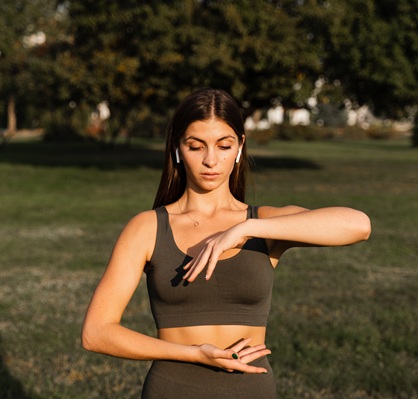
1. Tai Chi Improves Menstrual Symptoms and Emotional Health
Compared to no intervention, Tai Chi significantly reduced:
- Menstrual symptoms
- Pain levels
- Stress, anxiety, and depression
👉 This supports Tai Chi as an effective mind-body practice for overall menstrual well-being.
2. Strength Training Works Better for Pain Relief
When directly compared:
- Strengthening exercises produced greater reductions in:
- Pain intensity
- Menstrual symptoms
👉 If the primary goal is menstrual pain relief, strength training may be more effective in the short term.
3. Tai Chi Is More Effective for Stress and Anxiety
Tai Chi showed stronger improvements in:
- Stress
- Anxiety
👉 This highlights Tai Chi’s unique role in:
- Nervous system regulation
- Breath and attention control
- Emotional balance
Why Tai Chi Works Differently
Tai Chi is not just physical movement—it combines:
- Slow, controlled motion
- Breath regulation
- Focused attention
This combination makes it particularly effective for reducing stress and anxiety associated with menstrual symptoms.
Important Limitations of the Study
For those interpreting the results—especially Tai Chi teachers—context matters:
- Short duration: only 4 weeks
- High frequency: 5 sessions per week
- Self-reported outcomes
- Supervised sessions (more attention than control group)
👉 These results reflect short-term, structured practice conditions, not casual or occasional Tai Chi.
What This Means for Tai Chi Teachers
Position Tai Chi Accurately
Avoid overclaiming pain relief. Instead, emphasize:
- Stress reduction
- Emotional regulation
- Whole-person well-being
Consider Integrative Approaches
This study supports combining methods:
- Strength training → for physical pain
- Tai Chi → for mental and emotional support
👉 This opens opportunities for collaboration with:
- Physical therapists
- Fitness professionals
Emphasize Consistency
The benefits came from:
- Frequent, structured practice (5x/week)
👉 Occasional classes are unlikely to produce the same results.
What This Means for Women Exploring Tai Chi
For those looking for natural relief from menstrual symptoms:
- Tai Chi can help reduce:
- Stress
- Anxiety
- Emotional discomfort
- It may be most effective when combined with:
- Physical exercise
- Healthy lifestyle practices
Summary: A More Precise Role for Tai Chi
This study does not show that Tai Chi is the best solution for menstrual pain.
Instead, it shows:
Tai Chi excels at improving emotional well-being in women with dysmenorrhea.
