Practical strategies for healthy aging based on global research trends (2010–2025)
Tai Chi is often seen as slow and relaxing—but research shows it’s a powerful, evidence-based practice for healthy aging. A 15-year global analysis of Tai Chi studies, published by Frontiers in Public Health in March 2026, reveals that real benefits—like better balance, stronger cognition, and reduced pain—depend on how you practice.
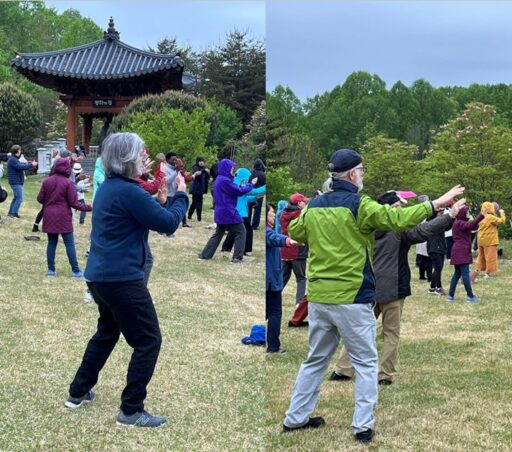
Here are 9 key insights to help you get results:
1. The Key Ingredients of Effective Tai Chi Programs
Practice 2–3 times per week, 45–60 minutes, for at least 12 weeks.
2. The Three Drivers of Progress
Combine movement, breath, and mental focus—not just form.
3. The Balance Advantage
Train near instability to improve fall prevention.
4. The Cognitive Edge
Stay mentally engaged—don’t practice on autopilot.
5. The Precision Effect
Small alignment adjustments protect joints and reduce pain.
6. The Hidden Intensity
Tai Chi can improve fitness when practiced continuously.
7. The Adaptation Phase
Mild discomfort early on is normal—adjust, don’t quit.
8. The Consistency Factor
Regular practice matters more than style.
9. The Results Gap
Most people don’t see benefits because they lack structure and progression.
The Full Practical Guide
The full premium guide shows you exactly how to apply these insights with step-by-step methods to improve balance, reduce pain, and enhance cognitive function—so your Tai Chi practice delivers measurable, real-world results.
👉 Read the full premium guide for free with ATCQA Membership (Join Now)
👉 Purchase the full premium guide with no ATCQA Membership
