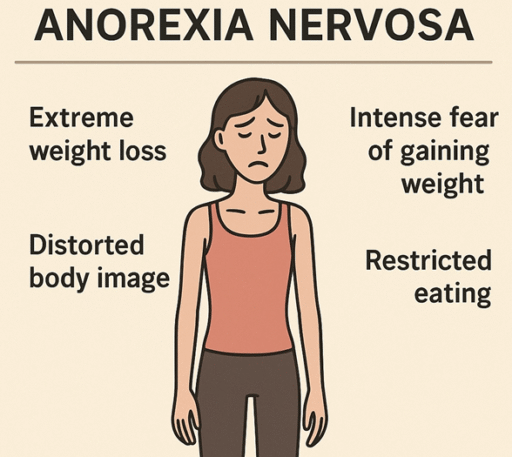
Anorexia nervosa (AN) is often unfamiliar to the general public, yet it carries the highest mortality rate of any psychiatric disorder.
This severe illness intertwines physical, psychological, and social challenges, making recovery an uphill battle for patients, families, and clinicians alike.
Conventional treatment—typically involving medical monitoring, nutritional rehabilitation, and psychotherapy—has improved survival and outcomes. But relapse remains common, and full recovery can be elusive.
A new narrative review published in Journal of Complementary and Integrative Medicine explores how complementary medicine (CM), including Tai Chi and Qigong, may help bridge these gaps, offering more holistic, patient-centered pathways to healing.
Why Complementary Medicine Matters in AN Recovery
Anorexia nervosa is a biopsychosocial disorder shaped by biological vulnerabilities, psychological struggles, and social pressures. Conventional treatments often focus on medical stabilization and symptom reduction, but they can miss the deeper issues—distorted body image, heightened anxiety, and disrupted mind-body connection—that fuel the disorder.
Here, complementary approaches step in. Many CM modalities are designed to restore balance, support self-regulation, and promote a sense of embodiment—elements that resonate strongly with the needs of people navigating recovery.
Complementary Therapies Explored
The review synthesizes evidence on a wide range of CM practices, from nutritional interventions to mind-body therapies:
- Mind-body practices (mindfulness, yoga, Qigong, Tai Chi): Strengthening awareness, resilience, and a compassionate relationship with the body.
- Functional nutrition and supplementation: Targeting micronutrient imbalances and gut health to support physical recovery.
- Phytotherapy and aromatherapy: Using plant-based remedies to reduce stress and promote emotional stability.
- Acupuncture, reflexology, and massage therapy: Helping to ease somatic tension, improve digestion, and regulate the nervous system.
- Homeopathy and Bach Flower Remedies: Though controversial and less evidence-based, these are included as examples of how patients may seek individualized, non-invasive support.
Together, these therapies aim to complement—not replace—standard care, offering new pathways for healing that are patient-centered and integrative.
Evidence and the Road Ahead
While early results are promising, the authors emphasize caution. Much of the research on CM in anorexia is preliminary, with small sample sizes and mixed methodologies. High-quality clinical trials are needed to confirm efficacy, establish safety, and guide standardized integrative treatment protocols.
Still, the review reflects a growing recognition in the medical community: recovery from anorexia requires more than restoring body weight. It requires restoring wholeness.
